8 min read
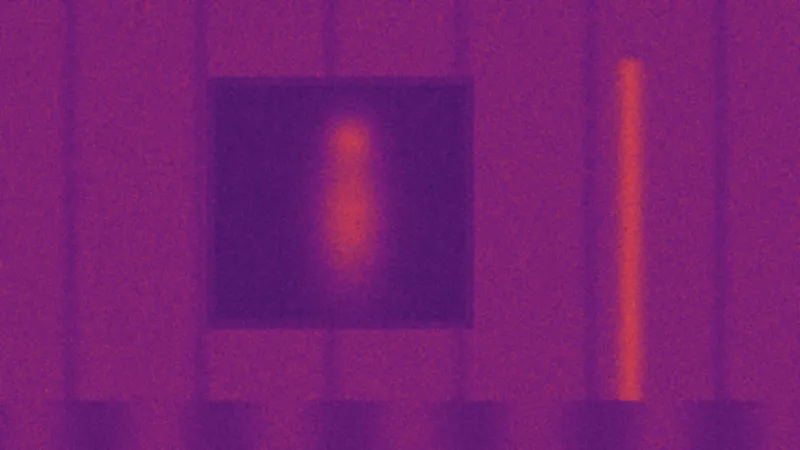
Can a thermal camera see through walls, glass or smoke?
Walls, glass, smoke, fog, plastic, clothing: what infrared really passes through, and what the camera shows instead.
Understand before you buy
Frame rate capped at 9 Hz, advertised versus measured resolution, sensitivity versus fineness, emissivity, macro lenses. Eighteen in-depth articles, written from manufacturer datasheets and the discrepancies we found in them.


Walls, glass, smoke, fog, plastic, clothing: what infrared really passes through, and what the camera shows instead.
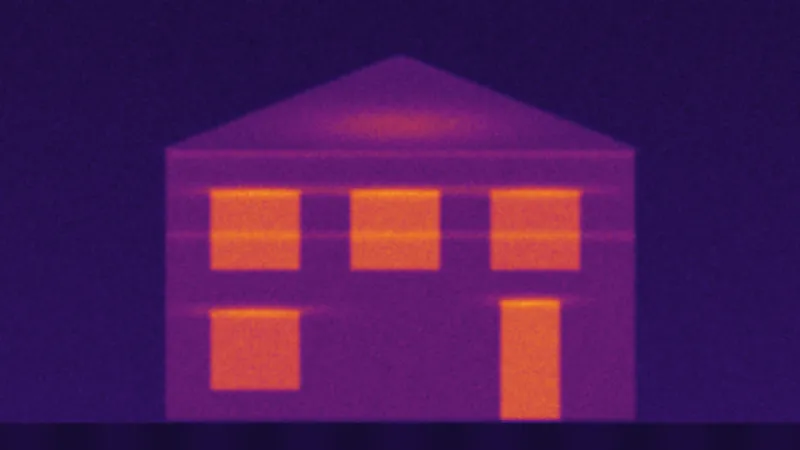
Free loans, daily rental or an entry-level purchase: observed prices, pitfalls and the break-even point.
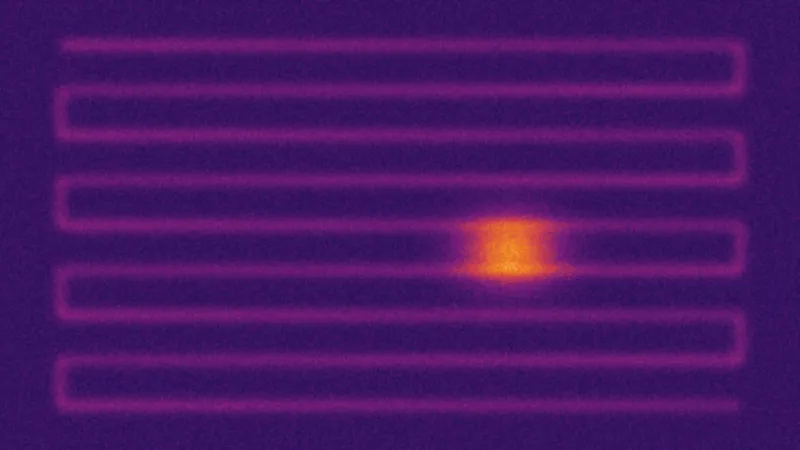
Warm-up, settings, floor coverings and pitfalls: the step-by-step method to trace pipes and spot a leak.
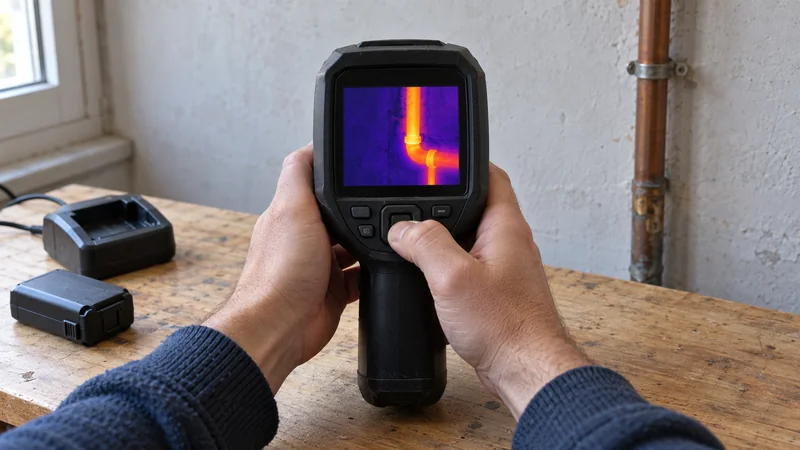
A practical checklist for avoiding expensive surprises and comparing the true cost of a used thermal camera.
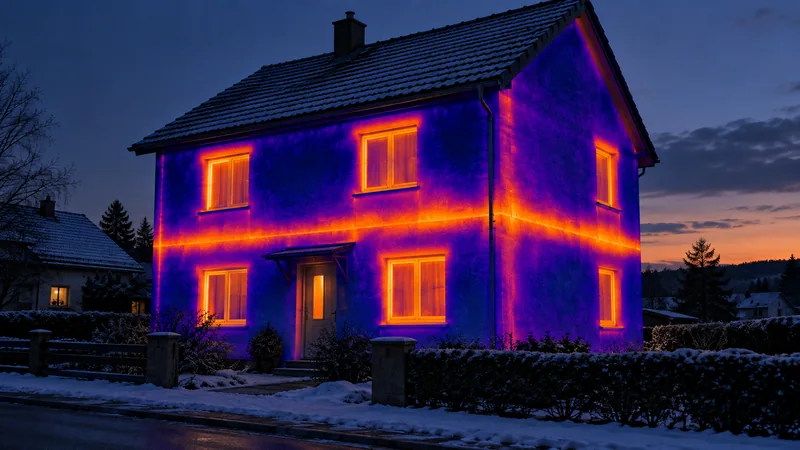
Indoor–outdoor contrast, sunlight and wind: the conditions that make thermal images useful.
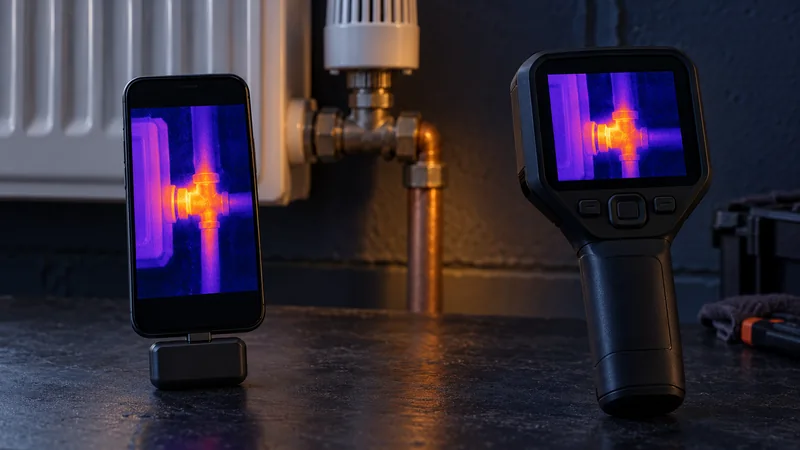
Phone compatibility, native resolution, battery life and reports: a practical buying framework.
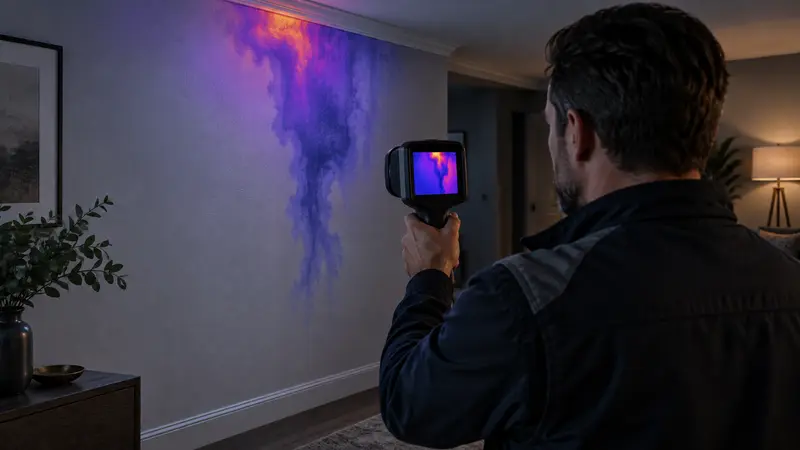
Thermography does not see water: it reveals a temperature anomaly. Method, limits, false positives, and the specifications that matter.
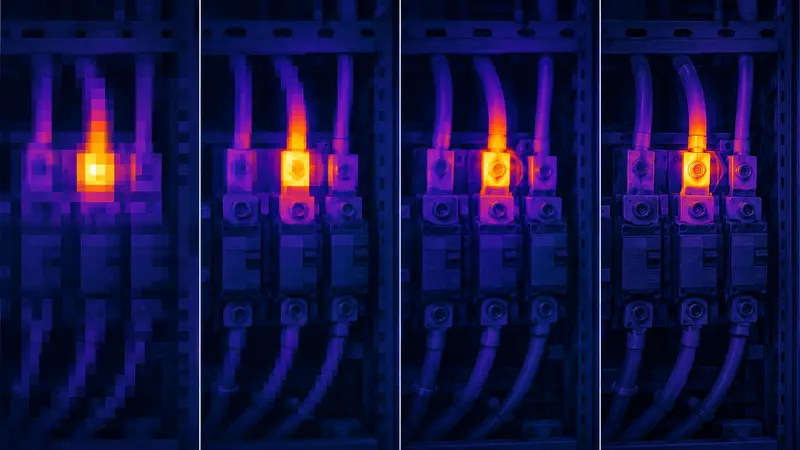
160 × 120, 256 × 192, 320 × 240, or 640 × 480: choose by target size, working distance, and field of view.
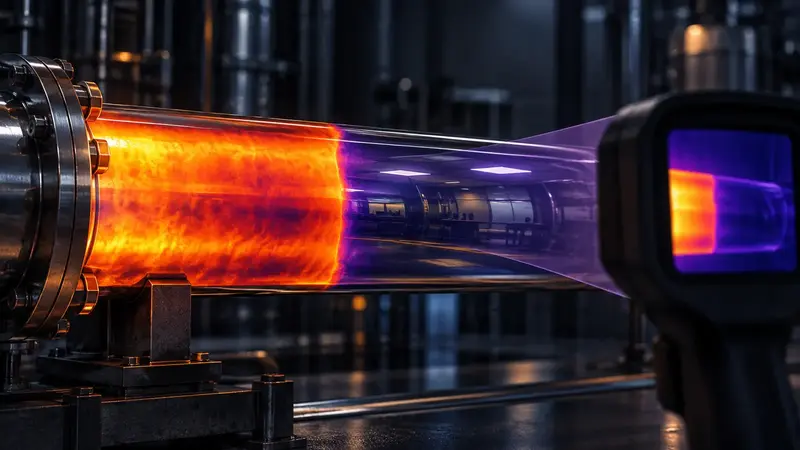
The setting that skews thermal measurements the most, and that half of manufacturers don't even document. What to understand and check.
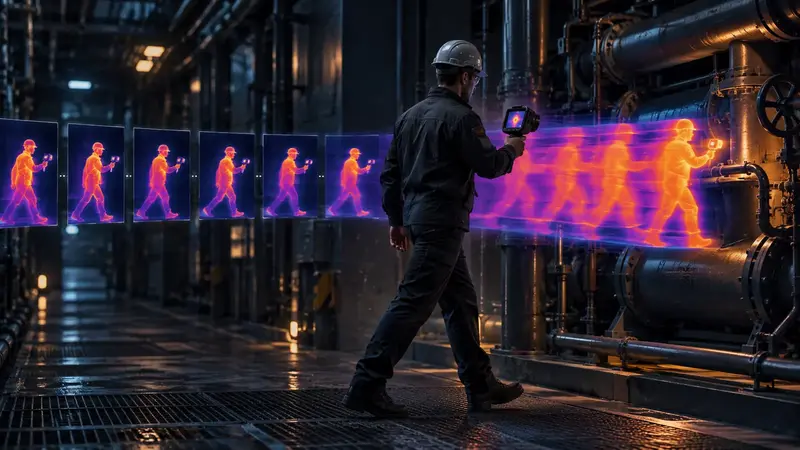
Nine frames per second on a €1,000 camera, twenty-five on a €250 module: the explanation is an export regulation, not a technical limit.
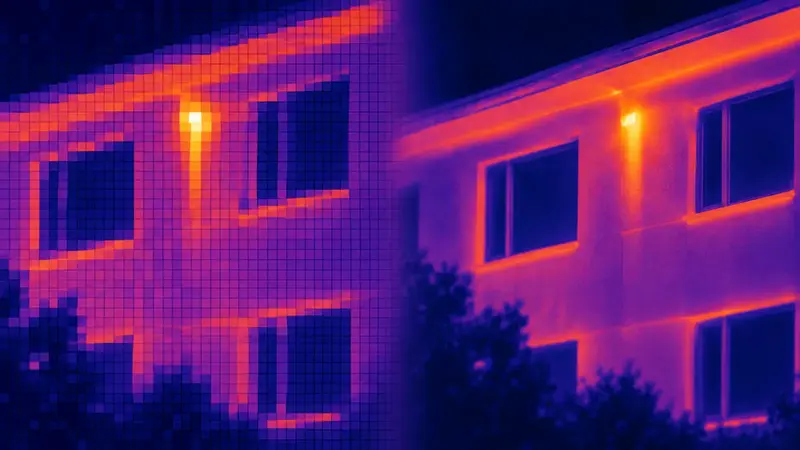
Seven devices in our catalog advertise a resolution they don't actually measure. How to spot an inflated sensor, and when super resolution is honest.
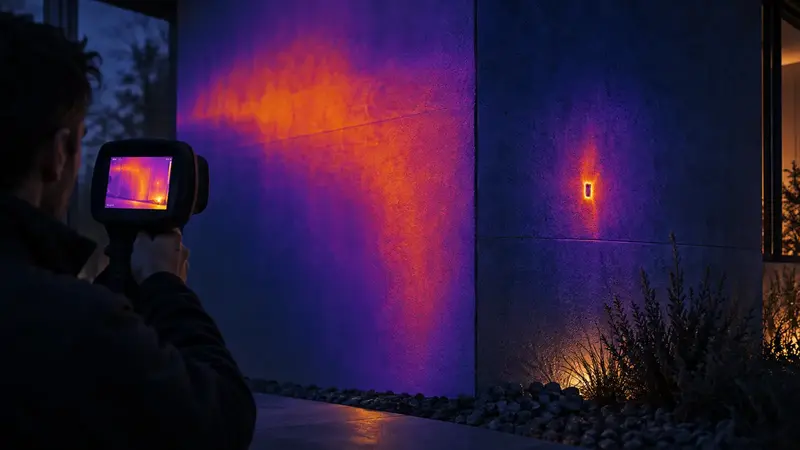
Thermal sensitivity or spatial resolution: the two criteria are often at odds, and the right choice depends entirely on what you're inspecting.
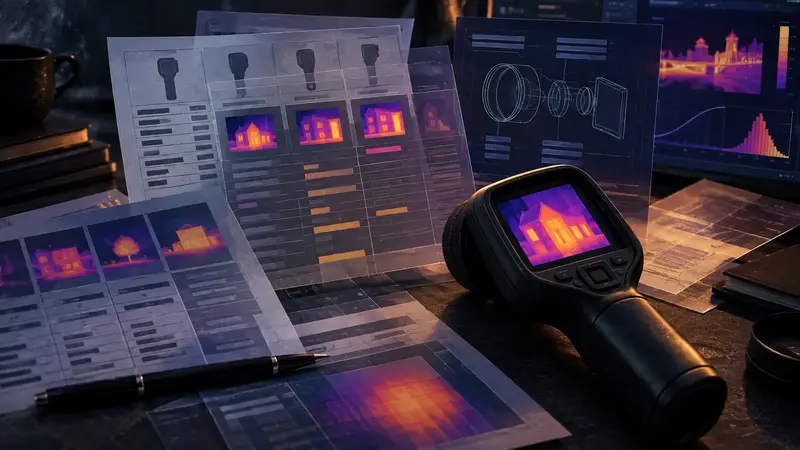
While building a database that currently contains 192 thermal cameras, we found contradictions between manufacturer datasheets, marketing copy, and retailer pages.
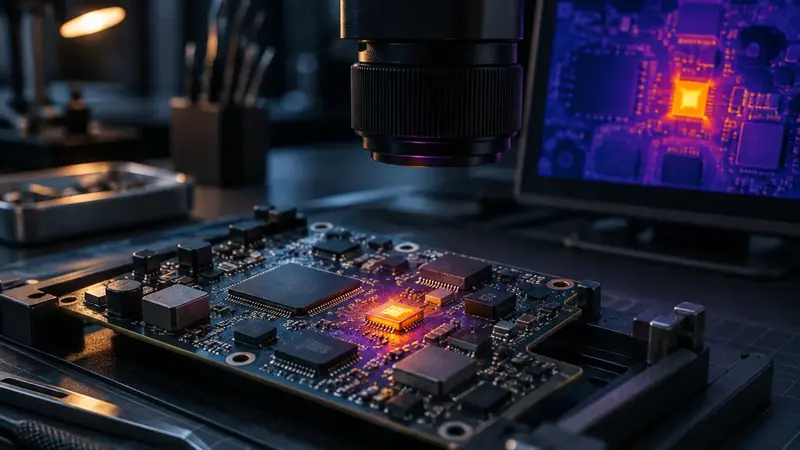
On a circuit board, IFOV is useless and resolution barely matters. What decides it is the macro lens and the smallest area you can actually measure.
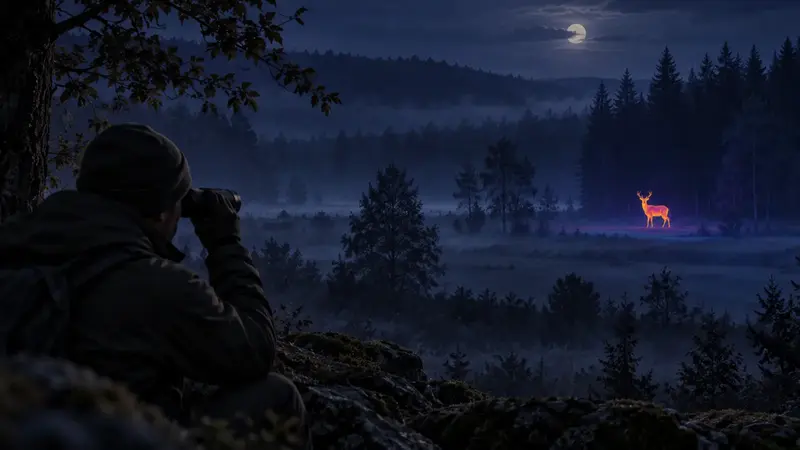
A hunting thermal scope and a building-diagnostics camera have almost nothing in common, despite sharing the same vocabulary. What actually matters for spotting an animal at a distance.
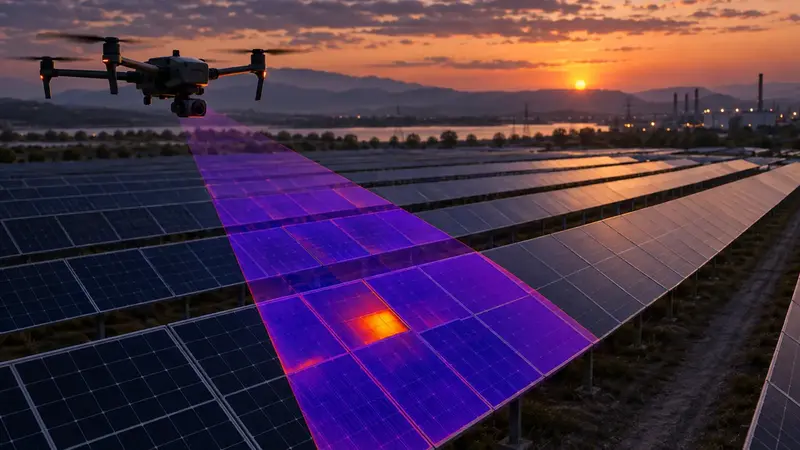
Flying with a thermal sensor imposes constraints ground-based cameras never face: weight, stabilization, travel speed. Here's what actually matters before equipping a drone.
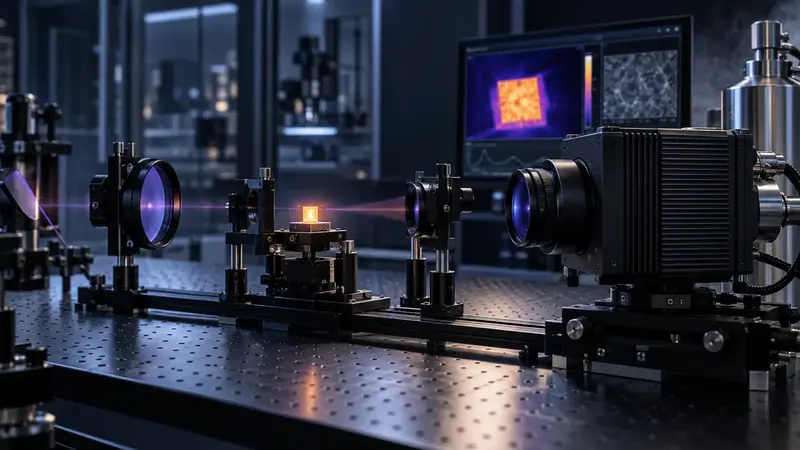
Liquid-nitrogen-cooled detectors, millikelvin sensitivity, thousands of frames per second: lab cameras have almost nothing in common with the ones in this comparator, starting with the price.
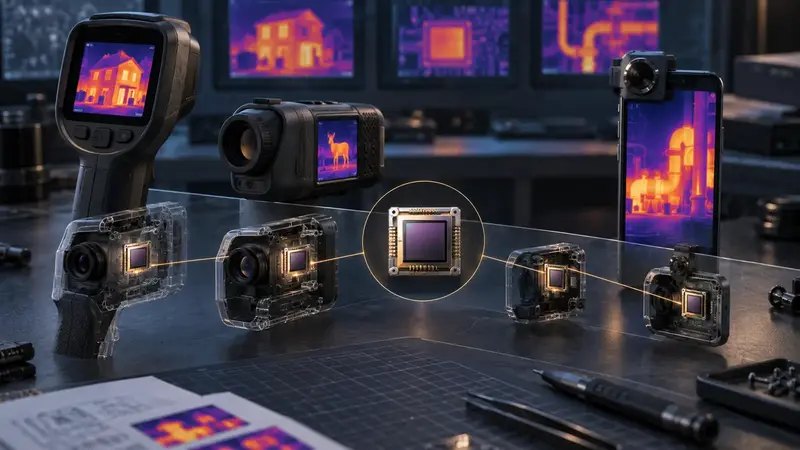
GOYOJO, HABOTEST, TOOLTOP, BSIDE: we checked the datasheets of the best-selling models during a major promotion. The same sensor turns up under three names, with one manufacturer hiding it and two disclosing it openly.